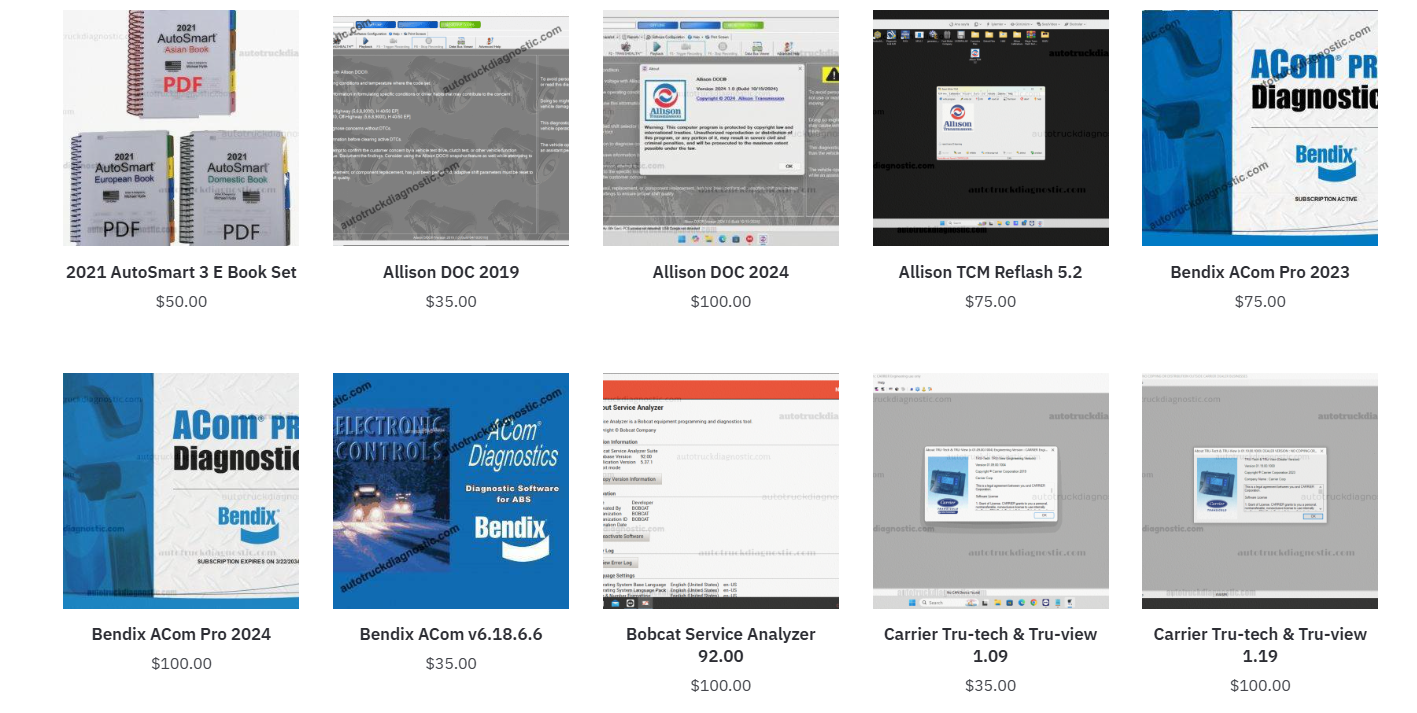
Diagnostic software is a powerful digital solution designed to identify problems, monitor system performance, and analyze errors in machines, computers, and modern devices. It plays a key role in industries such as automotive, healthcare, IT systems, and manufacturing, where quick fault detection is essential for smooth operations. By using advanced algorithms and real-time data analysis, cummins insite software helps users understand issues before they become major failures.
Importance of Diagnostic Software in Modern Technology
In today’s fast-paced digital world, systems and machines are becoming more complex. Because of this complexity, manual troubleshooting is no longer efficient or reliable. Diagnostic software provides accurate and fast analysis, reducing downtime and improving productivity. It helps technicians and engineers detect hidden faults that are not visible through basic inspection. This not only saves time but also reduces maintenance costs and prevents serious system breakdowns.
How Diagnostic Software Works
Diagnostic software works by collecting data from sensors, system logs, and internal components. It then processes this information using built-in diagnostic rules or artificial intelligence algorithms. Once the analysis is complete, it generates reports that highlight errors, performance issues, or potential risks.
In automotive systems, for example, diagnostic software connects to the vehicle’s onboard computer to read error codes and detect engine or sensor problems. In computers, it scans hardware and software components to identify viruses, memory issues, or system failures. This automated process makes troubleshooting faster and more accurate compared to traditional methods.
Types of Diagnostic Software
There are several types of diagnostic software used in different fields. System diagnostic software is commonly used in computers to monitor CPU performance, memory usage, and storage health. Network diagnostic software helps identify connectivity issues, bandwidth problems, and server errors in IT systems. Automotive diagnostic software is widely used in modern vehicles to analyze engine performance and electronic control systems. Medical diagnostic software is used in healthcare to analyze patient data and assist doctors in making accurate decisions.
Each type is designed for a specific purpose, but all share the same goal of identifying and resolving issues efficiently.
Benefits of Using Diagnostic Software
One of the main benefits of diagnostic software is early problem detection. It allows users to identify issues before they become critical failures. This improves system reliability and extends the lifespan of equipment. Another major advantage is cost efficiency, as it reduces the need for frequent manual inspections and repairs.
Diagnostic software also improves accuracy in troubleshooting. Instead of guessing the problem, technicians receive precise data-driven insights. Additionally, it enhances productivity by reducing downtime and allowing systems to operate smoothly with minimal interruptions.
Applications of Diagnostic Software
Diagnostic software is widely used across multiple industries. In the automotive sector, it is essential for vehicle maintenance and repair services. In IT and networking, it helps manage servers, databases, and network systems efficiently. In healthcare, it assists in analyzing medical scans and patient data for better diagnosis. In industrial manufacturing, it ensures machines are running properly and prevents production delays.
Its versatility makes it an essential tool in almost every technology-driven field today.
Future of Diagnostic Software
The future of diagnostic software is closely linked with artificial intelligence and machine learning. As technology continues to evolve, diagnostic tools are becoming more intelligent and predictive. Instead of just identifying problems, future systems will be able to predict failures before they occur. This predictive maintenance approach will further reduce costs and improve efficiency across industries.
Cloud-based diagnostic systems are also becoming more popular, allowing remote monitoring and real-time analysis from anywhere in the world. This advancement will make diagnostic software even more powerful and accessible.
Conclusion
Diagnostic software is an essential component of modern technology that ensures efficiency, accuracy, and reliability across various industries. From automobiles to healthcare systems, it plays a vital role in identifying problems and improving performance. As technology continues to advance, diagnostic software will become even more intelligent and important in maintaining the smooth operation of complex systems.